




















The Curious Return of Human Creativity
The growing appeal of handmade art and craftsmanship in a world increasingly powered by prompts.
We've spent the last few years teaching machines to make things look more human. Now, some of the world's biggest brands seem rather interested in going back to the people who make them.
It's an interesting time to be talking about creativity.
AI can generate an illustration, build a visual identity or produce an entire campaign in a fraction of the time it would take a creative team. And while that's impressive, it's also made us increasingly familiar with the things it can produce.
Perhaps that's why the work catching our attention lately has a rather different story behind it.
As AI makes creativity faster, easier and more accessible, some of the world's biggest brands seem rather interested in going back to the people who make things.
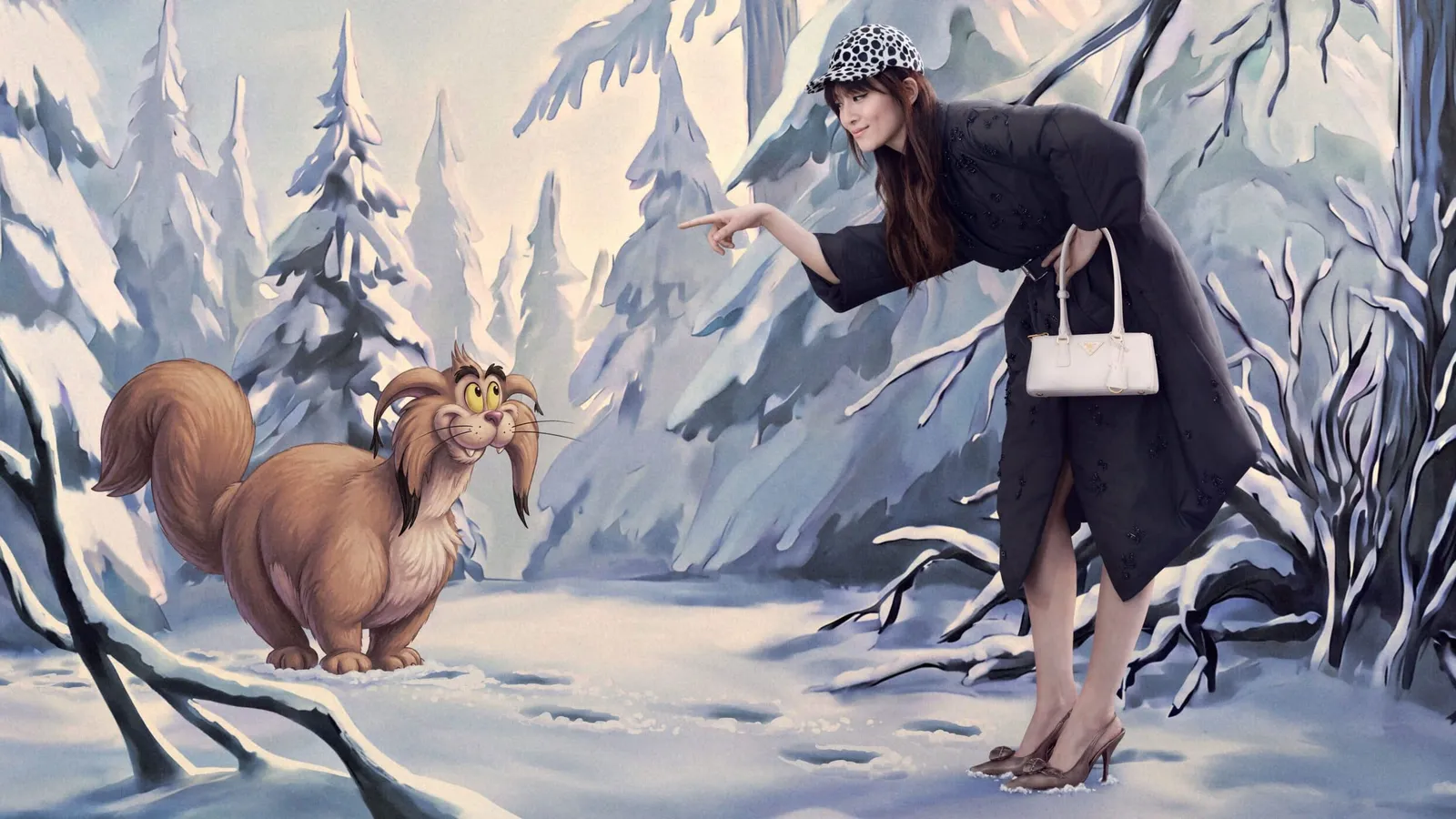
Take Prada's 2026 Holiday campaign. Instead of turning to generative tools to build its animated world, the brand brought in veteran Disney animator John Pomeroy, whose work draws on decades of traditional animation.
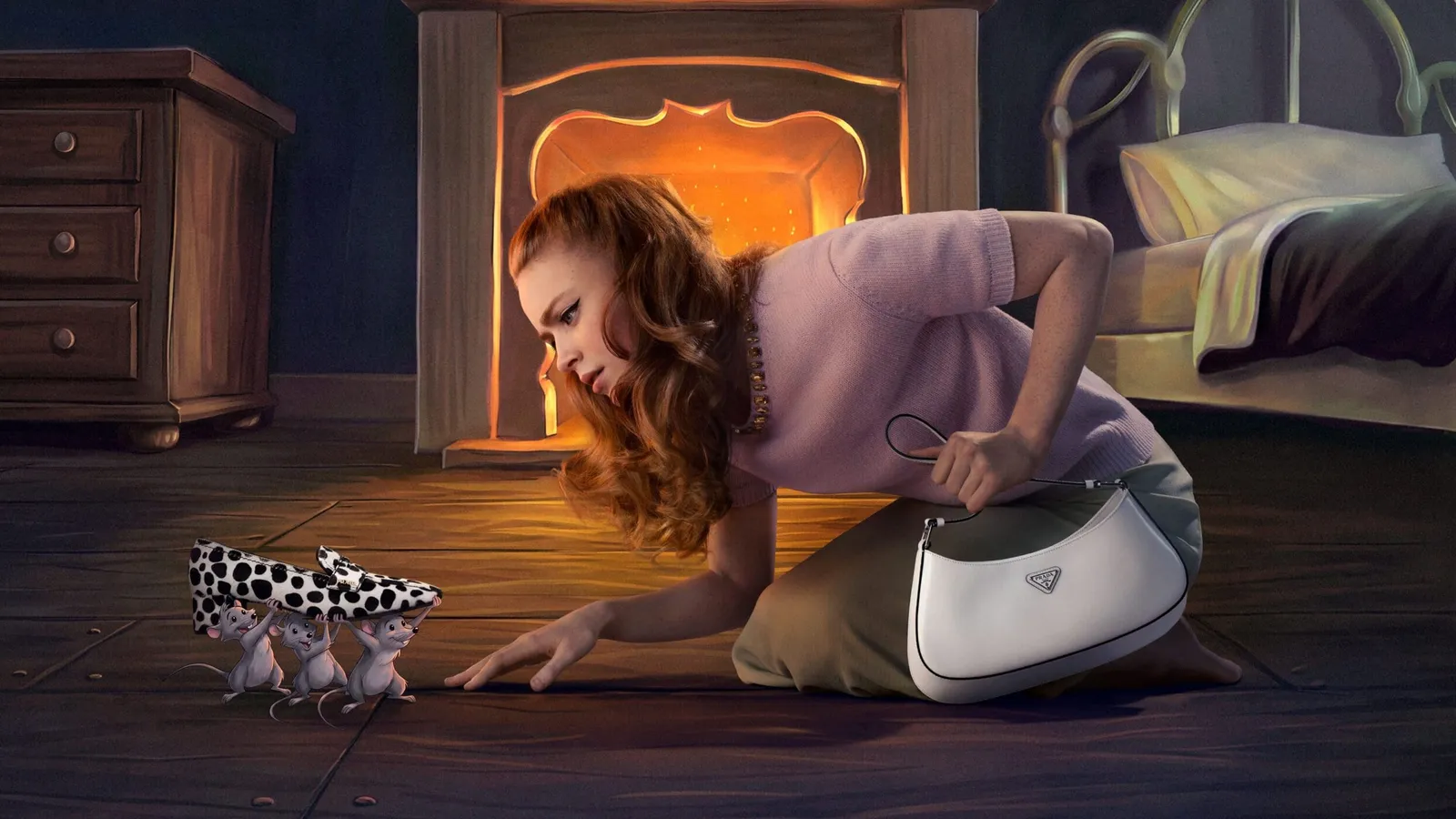
Every frame, every movement, every little detail carries the mark of an artist's hand.
It's a curious choice in an industry where creating something has never been easier. And Prada isn't the only brand that has been exploring this approach.
This time around last year, Apple TV offered another interesting take on making the digital feel tangible.
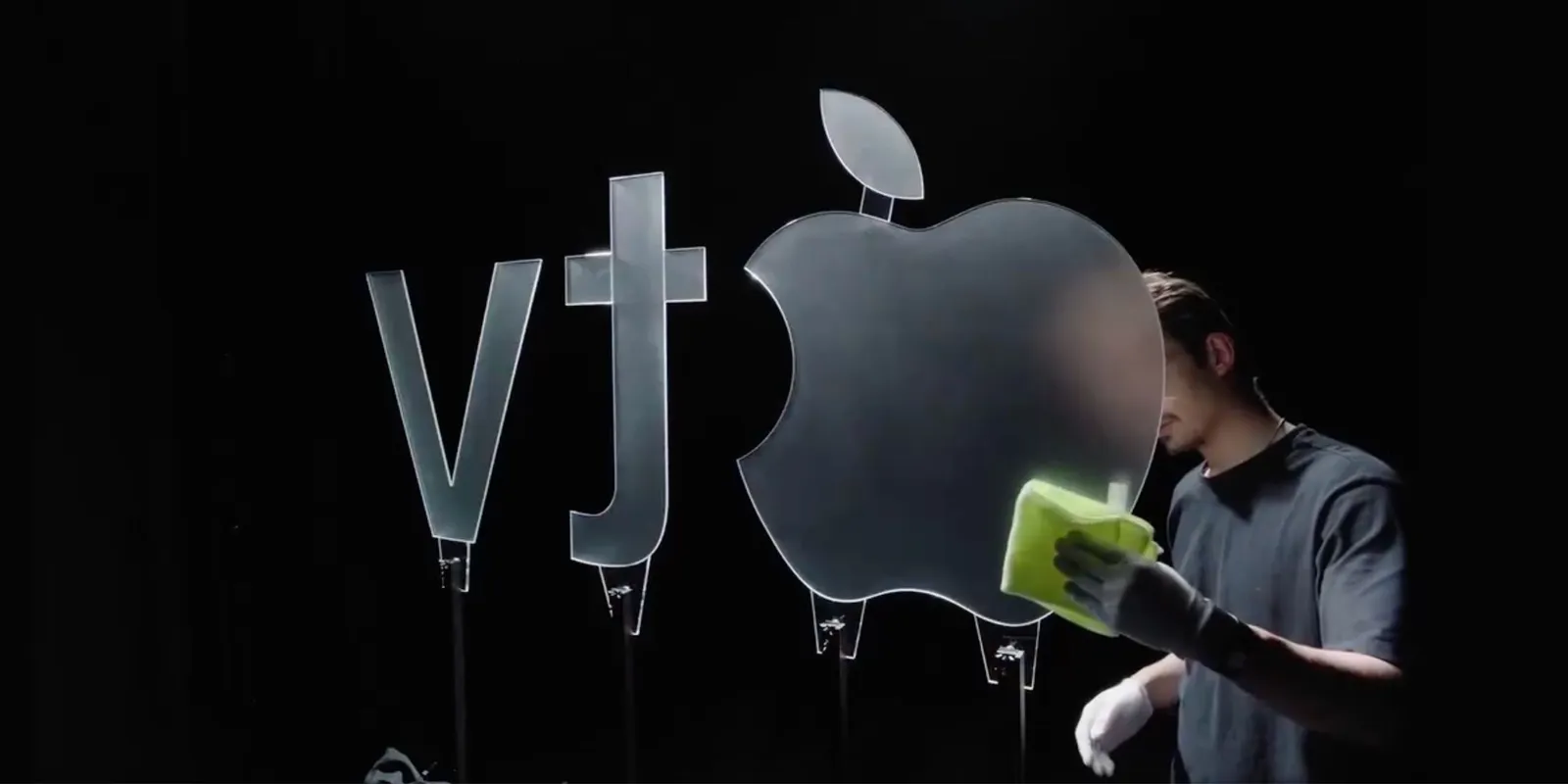

For its new visual identity, the brand turned to physical glass sculptures, using light, colour and reflections to bring its logo to life on camera.
Think about that for a second. At a time when almost any visual effect can be created digitally, there's something rather compelling about making an actual object and letting the camera capture it.
But the conversation around human creativity isn't limited to the things we make. It extends to the people making them, too.
That's where Pranav Bhasin's short film, We Were Here, enters the conversation.
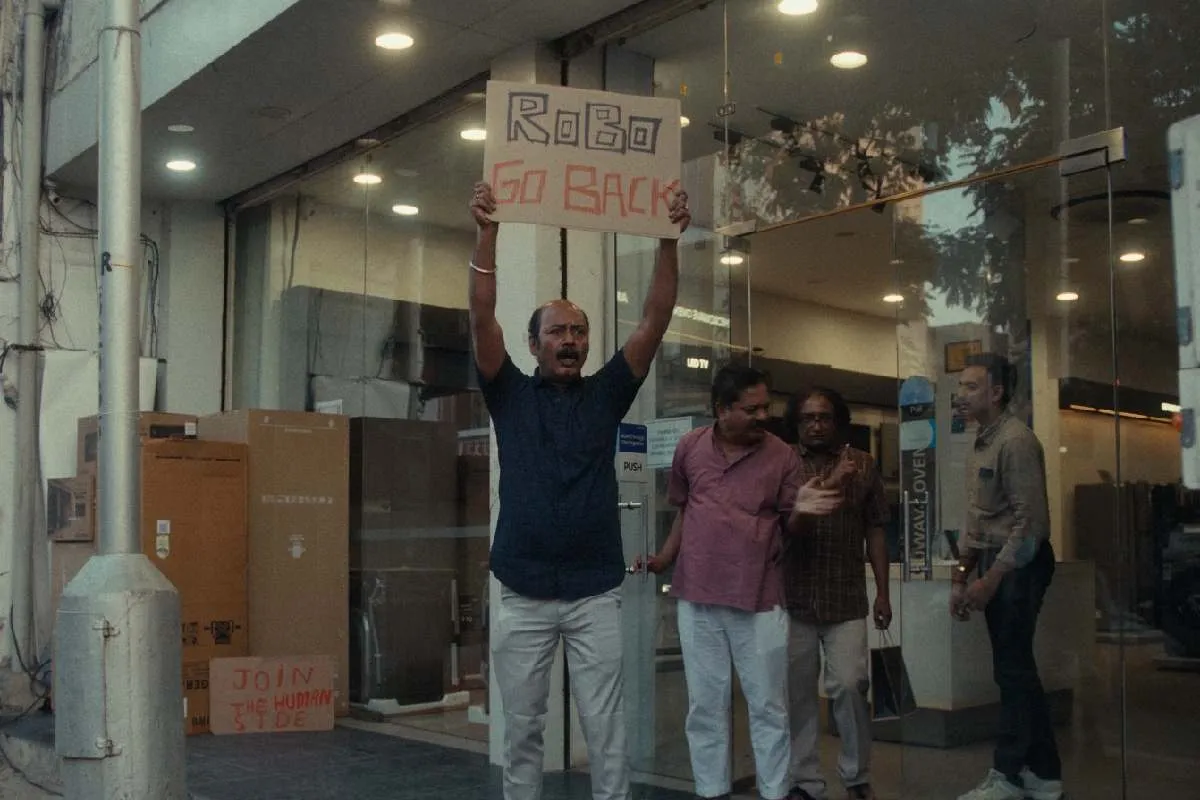
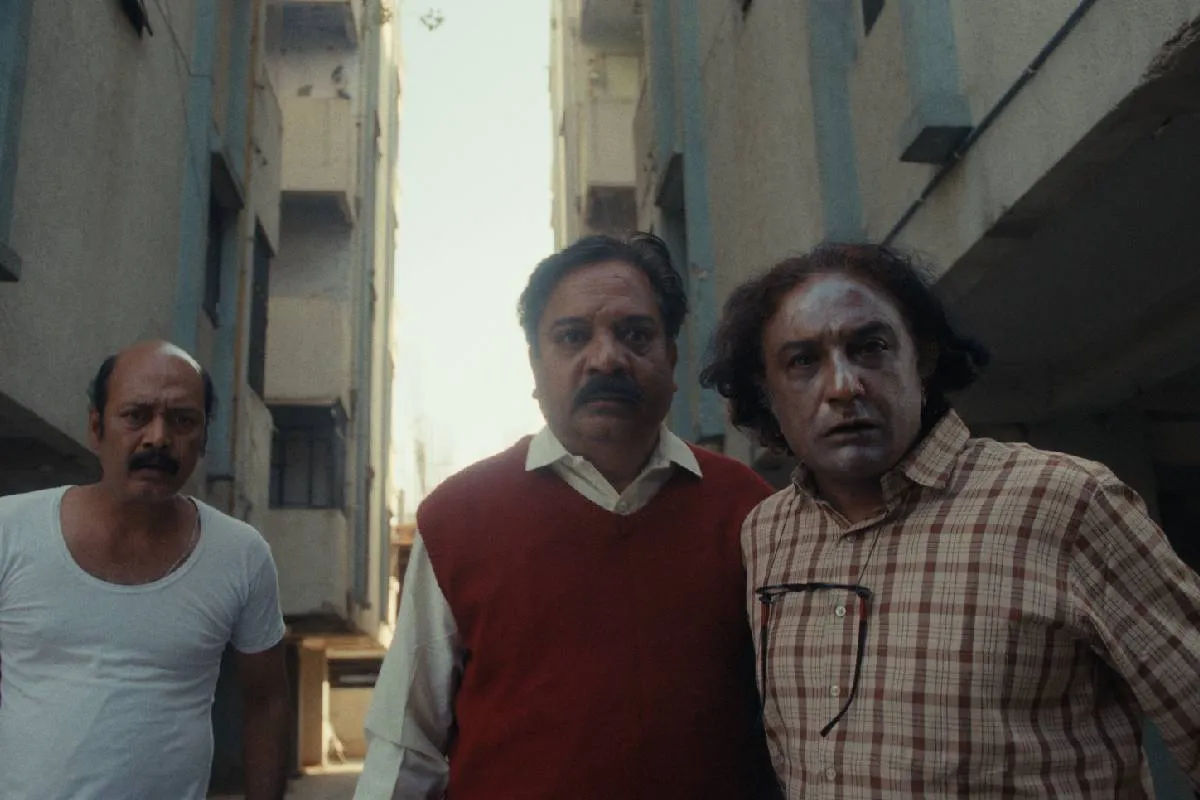
Following three retired men protesting the takeover of human jobs by machines, the film uses humour to get at a rather serious concern: what happens when efficiency becomes more important than the people it is supposed to serve?
Put these three projects next to each other and an interesting pattern begins to emerge.
One celebrates the artist's hand. Another finds beauty in physical craftsmanship. And the third reminds us that behind every creative process, there are people whose contributions cannot simply be reduced to output.
None of this necessarily means that AI has no place in creativity. But it does make us reconsider what we're actually looking for when we call something good.
Maybe the new luxury isn't what can be created in seconds.
Maybe it's everything that goes into making something worth remembering.
Because when the tools to create become available to everyone, the perspective, thought and human experience behind the work become all the more interesting.